

What is a Zero Waste Lifestyle Really Like?
The term zero waste is deceiving. It makes everyone think that the people living a zero waste lifestyle are 100% plastic free and are saving all their yearly waste into a tiny jam jar.
This way of living is not actually sustainable, especially in the times that we’re living in. So many essentials still come in plastic even if we’re trying our best.
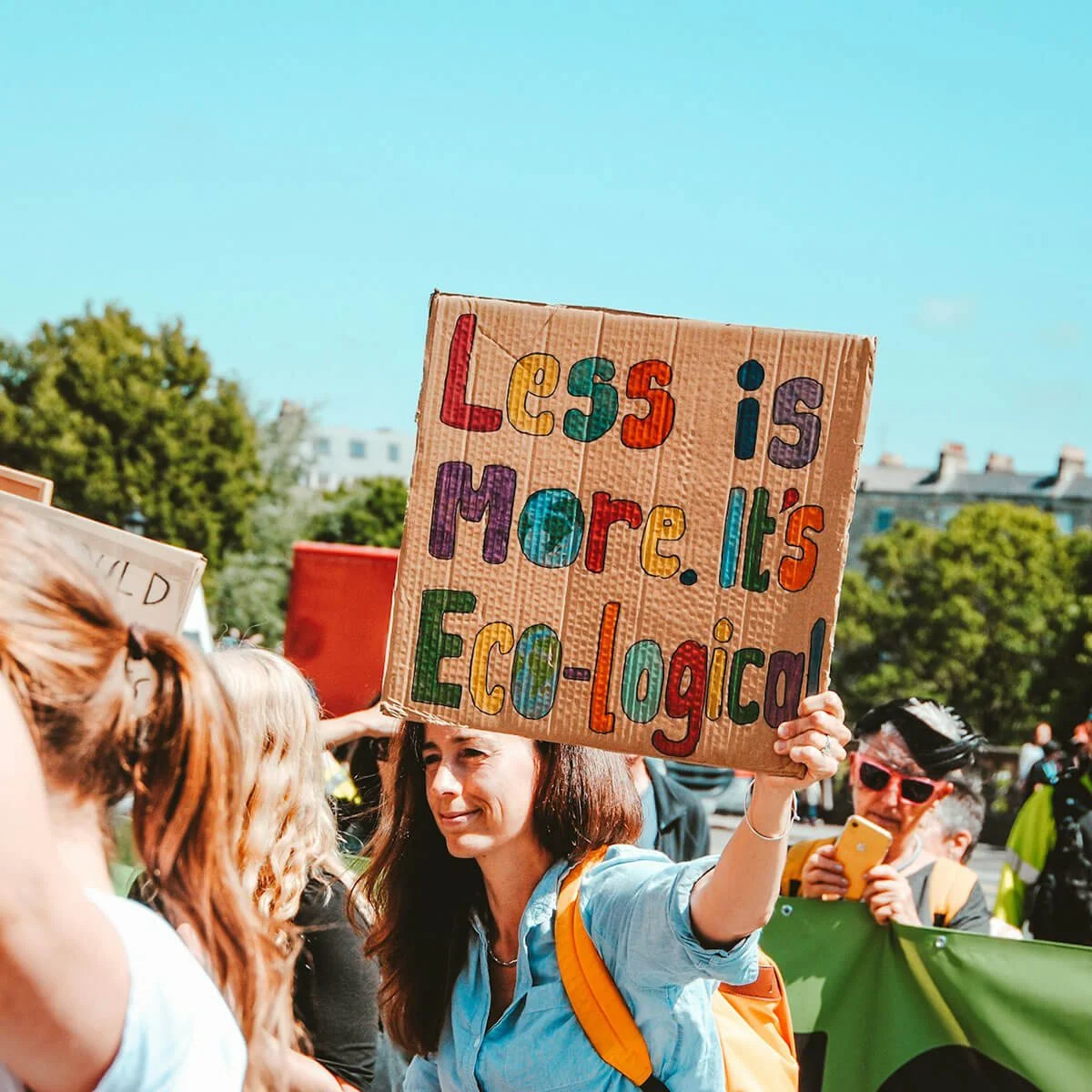
Our aim should not be perfectionism because we will only end up giving up. It’s not possible. We should try and follow the term low waste instead as it is a much better description of the reality.
What Does Zero Waste Actually Mean?
A low waste / zero waste lifestyle means to be mindful of how we’re living. To be aware of our actions and to think about whether we can make them better for us and for the environment we live in.
This is the true foundation of low waste living and managing to sustain it. Not everything will be without plastic and not everything will be perfect. That’s ok!
A Realistic Zero Waste Lifestyle Day to Day
We have been doing our best to live a low waste life since 2016 and the following points are what we live by. This is what it looks like for us at this very moment, day to day.
This list will most definitely change and adapt over the years but this will hopefully give you an idea of a realistic zero waste lifestyle without spending loads of money. In fact you will spend less.
Reduce
This was one of the first things that happened for us. We stopped buying stuff.
We were never really shoppers but somehow we had still managed to accumulate so much.
Now we only buy something when we really need it and ask ourselves questions before making a purchase. (see point 8).
We really don’t need as much as we think.
2. Reuse
Use what we have even if it’s plastic. Here’s a picture of all our plastic shopping bags hanging out to dry :).
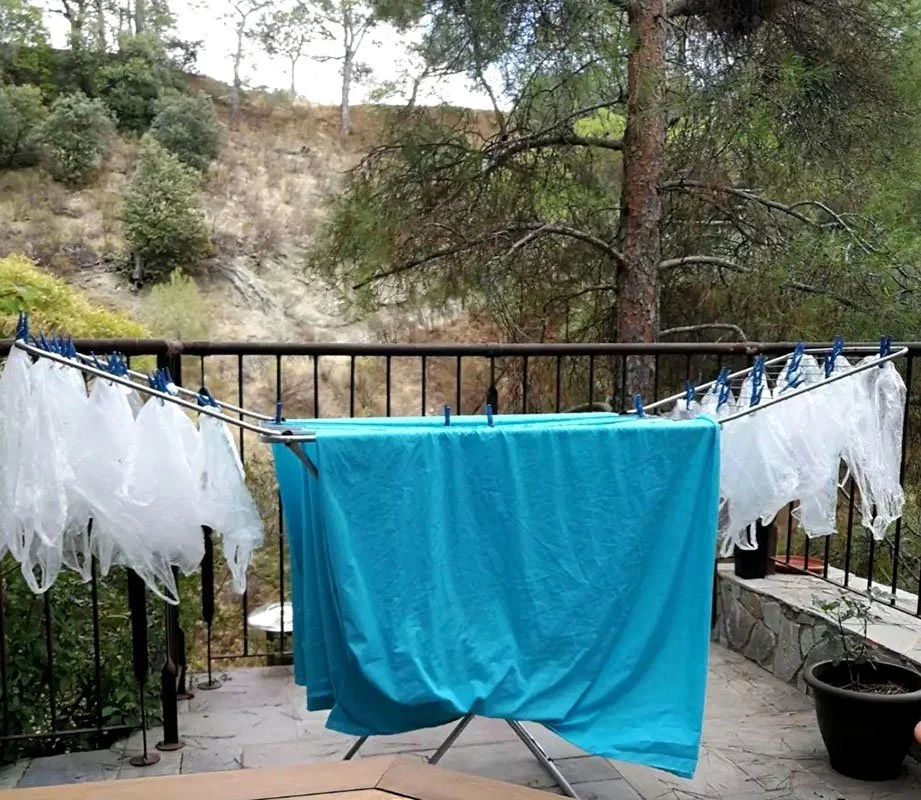
We have loads but we keep reusing them until they’re not longer usable.
When they get holes in them, we use them for bin bags in the house or send them to be recycled.
In the meantime, I’ve been making hemp produce bags to eventually replace them once they are gone.
We follow the same pattern for everything, plastic or not.
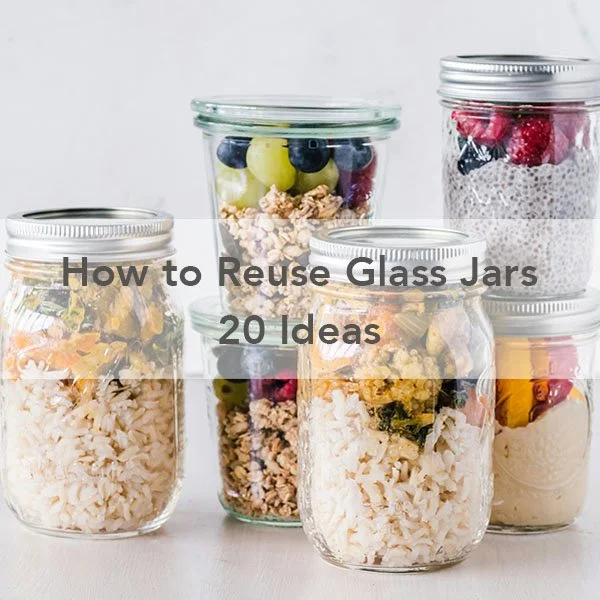
For example, we try to reuse all of the glass jars that come into our home. Here are 20 ideas on how to reuse glass jars to get you started.
The production process of glass is more energy intensive than plastic.
If we can’t use them, we give them away to someone who will (see next point).
3. Recycle or Donate
It’s impossible to keep everything. It’s time and energy consuming. Also, if we did we would end up surrounded by stuff.
Know that it’s ok to let go of it and that we’re doing our best.
So anything we can’t keep and reuse, we make sure to donate to someone who will use it or send it off to be recycled, if possible.
Most of the time there is someone out there who wants what you don’t.
4. Buy Loose Produce
We’re lucky that most fruit and veg in Cyprus is sold loose but you can’t buy it without putting it in a bag of some kind, hence point 2.
Try to find a local market where fruit and veg is not already packaged.
Is there a local zero waste shop you could buy dry produce from? Like beans, nuts and cereals? This saves loads of unnecessary plastic packaging.
An extra bonus here is that you will most likely be supporting a small business.
5. Offers sections
We sometimes buy produce from the offers sections in supermarkets where things might end up in landfill if not bought. Even if it’s in plastic.
The food waste issue is bigger than the plastic issue unfortunately. Don’t let the food go to waste.
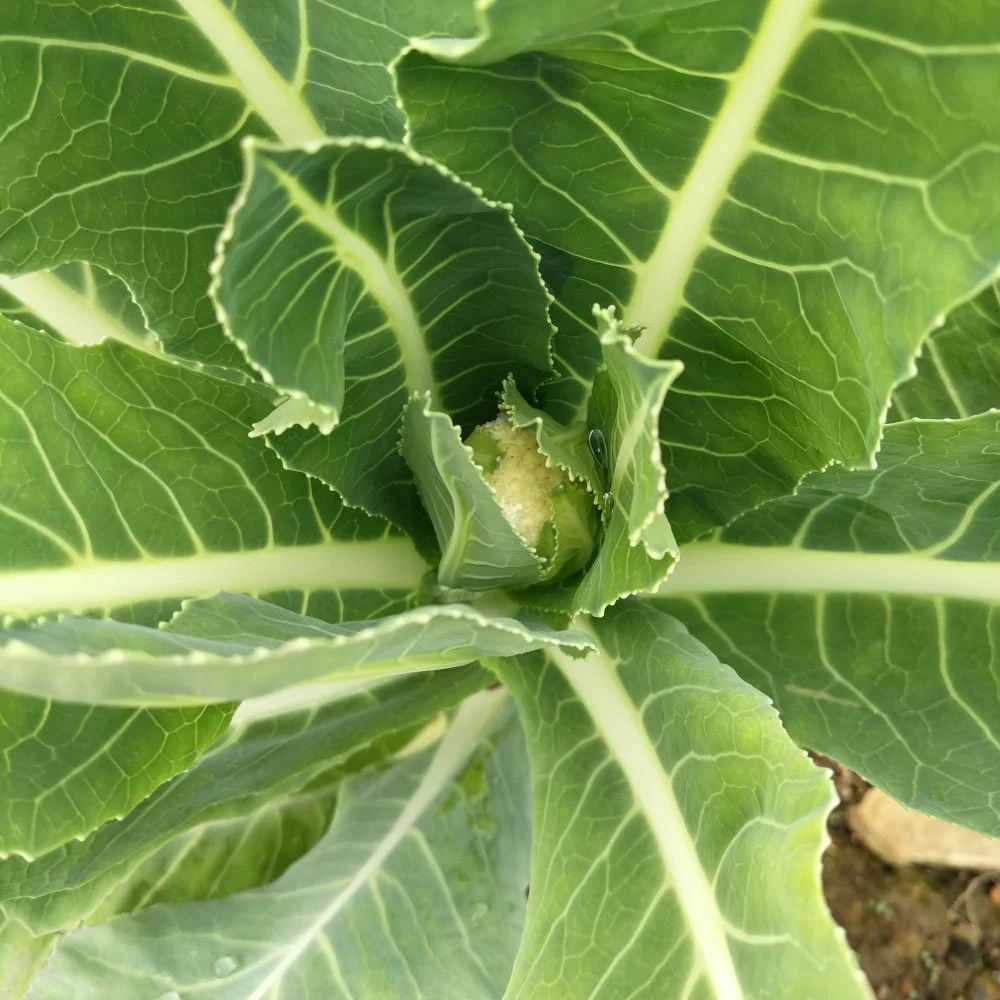
6. Grown Your Own
This is the ultimate goal for us. Growing our own veg means thats everything will be organic and we will save loads plastic waste.
7. Mend things
This is a big one. Has something broken? Or do your jumpers/socks have holes in them. Fix them before thinking about throwing them out.
Most of the time the things we have are salvageable. We do our best to take care of the things we already by mending socks, patching up pairs of jeans, fixing holes in knitting jumpers, taking shoes to the cobblers to be mended etc.
Make them last as long as possible.
8. Home Cooking
I’ve always enjoyed cooking but I took it an extra step when we started realising how much waste comes from things like crackers, biscuits, bread etc. I now make my own of all these things.
Home cooking also means you buy fresh veg to cook with that can come loose rather than ready meals that are always packaged.
An added bonus is it’s better for our health too and we really value the things that we eat.
9. Before buying…
Ask these 3 questions. a. Do I actually need it? b. Can I get it second hand? c. If not, is the company i’m buying from ethical and sustainable.
10. Mindfulness
This is an elaboration of the foundation of low waste living I mentioned at the beginning of this article. To really think about something before we do it.
Do we need to drive to that place today or can it wait until later when I can combine multiple jobs into one journey?
Is it really cold enough to put the heating on or can we cope with an extra jumper or a hot water bottle?
11. Save
Save as much as we can. If we’ve cooked too much food or we didn’t manage to eat it all, save it for another day.
Save all the water that we can. There really isn’t as much as we think. Read my other more in depth article about how to save water.
Save electricity. It will save energy and money at the same time. You will be glad when you get your next energy bill. Read my tips on how to conserve energy at home.
Save whatever and wherever possible.
12. Compost
I love composting. It saves so much from going into landfill and in the end we have a lovely, nutrient rich soil that we can use to grow our fruits and some veggies.
If you don’t plan on growing anything or you haven’t got the space, don’t worry, you can still compost by giving your food scraps to someone local who does.
Check out MakeSoil to find someone local to you to connect with.
13. Community
Get involved in local clean ups, tree plantings and swaps. The more we support these kind of events in our communities the better the world will be.
14. Finally, Make.
This is where crochet comes in for me. Having the skill to crochet means I can make things that I need rather than needing to buy extra stuff.
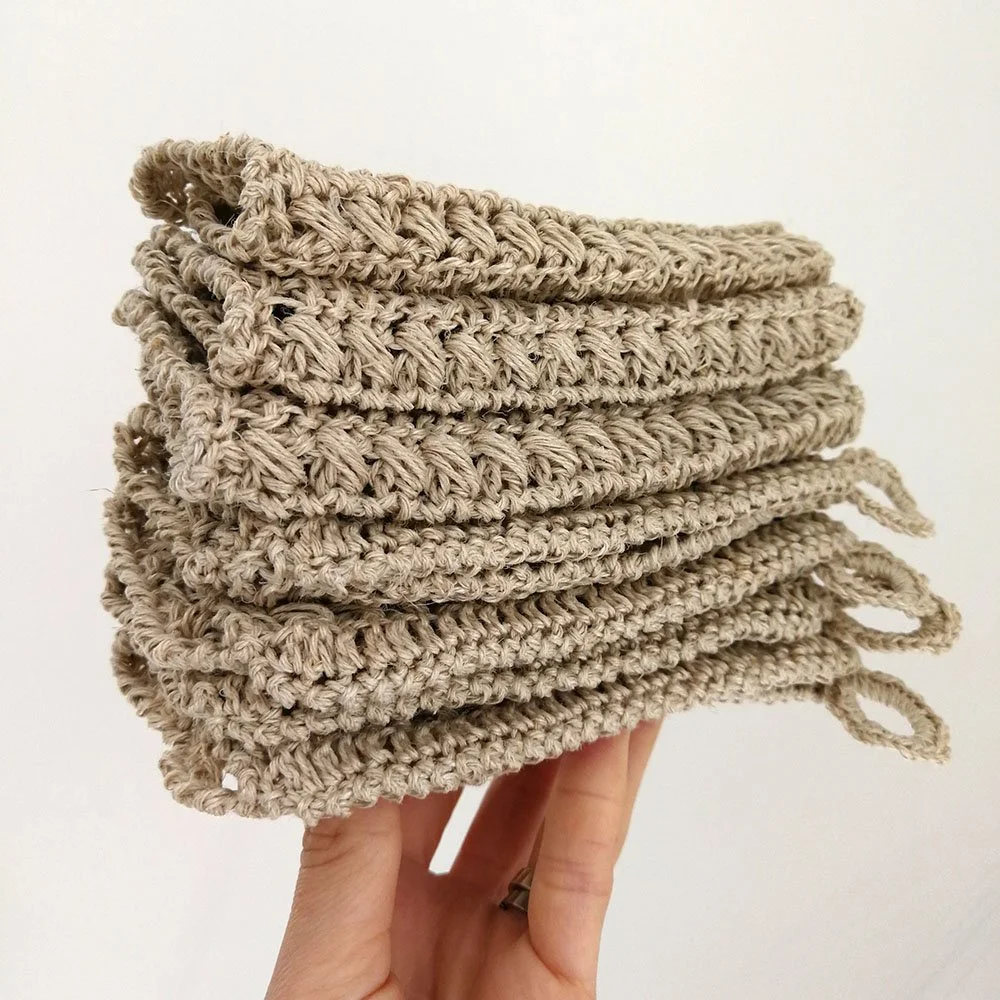
It means I can choose the material it is made from, the style and the size. I can make it exactly how I want it.
I’ve been making my own dishcloths for years now and I never want to go back.
If you’re interested in learning to crochet I’ve created a blog post of how to crochet step by step with all my video tutorials on the basics to get you started.
You can also find some sustainable free patterns designed for a zero waste lifestyle.
Just Do your Best.
If any of these points aren’t possible for you, don’t worry. It’s impossible to do everything and do things perfectly.
Be kind to yourself. Don’t beat yourself up about things you’re not able to do at the moment.
If you can’t buy loose veg or you don’t have time to cook then an important thing is to not stress about. It’s ok! Be happy in the knowledge that you are doing your best.
One very common question is “whats the point when so and so is not doing anything or the governments don’t care or such and such company is producing so much waste?”
I answer this question in my more in depth article on Ways to be Sustainable in Everyday Life.
I would love to know your thoughts in the comments below. Let’s chat about it.

What is a zero waste lifestyle really like? Do we have to fit all our yearly waste into a jam jar? Find out what zero waste is like for me day to day.