16 of my Favourite Sustainable Yarns
The following article may contain affiliate links. This means that if you make a purchase from these links, I may receive affiliate commission at no additional cost to you.
The recommendations listed here are based on personal experience and the affiliate relationship in no way compromises the integrity of the suggestions.
Trying to find sustainable yarns can be a bit of a minefield so I’ve put together a list of 16 yarns that I love to use on the regular. However, before we get to the list, let’s first look at what sustainable actually means.
What is a Sustainable Yarn?
A sustainable yarn is a yarn that, in its growing, production and dyeing process follows specific regulations in order to minimise its negative impact on the environment and people.
It means growing the fibres in a sustainable way, without damaging the soil and wildlife. It means using non toxic dyes and substances, protecting and supporting local communities and workers and so much more.
Certificates and What They Mean
To help us understand whether a yarn has followed specific sustainability guidelines during production, many yarn companies now display certificates on their yarn labels or on their website.
Let’s go through some of the most popular certificates and what they actually mean.
GOTS (Global Organic Textile Standard)
The GOTS certificate concentrates on organic textiles. The governing body checks each stage of the entire supply chain.
Going from the first processing stages, to spinning, weaving and knitting, wet processing, manufacturing and trade checking four key features; organic fibres, ecological and social criteria, all processing stages, third-party certification.
They perform onsite annual inspections of each process, along with staff interviews, book keeping reviews and verifications of risk assessment.
A product which shows the GOTS label must contain at least 70% certified organic fibres. Any which show the label with grade ‘Organic’ must have at least 95% certified organic fibres.
OEKO-TEX Standard 100
OEKO-TEX standard 100 is a label that tests for harmful substances to make sure the final product is safe for human health.
Every single part of the product is tested by accredited labs and the criteria are updated once a year.
REACH
REACH is similar to OEKO-TEX in that their regulations are for the use of harmful substances in the production process.
They are a European Union regulation that is also promoting other methods for assessing hazardous substances to reduce the amount of animal testing.
For a product to receive this label, the business needs“to demonstrate to ECHA how the substance can be safely used, and they must communicate the risk management measures to the users.”
Business Intelligence Group Sustainability Award
The Business Intelligence Group offers 6 different sustainability awards, covering various types of industries (not only fibre related), for improving the sustainability of the company or product.
The number one award being given to the business that proves that sustainability is one of its core business objectives.
To receive one of theses awards, the company needs to show, through actual data, how their business, product or performance has made an impact.
What if There are No Certificates
If you’ve found a yarn that you want to use but you’re not sure if it’s a sustainable yarn or not and there are no sustainability certificates, don’t fret.
Obtaining certificates can be an expensive process. Maybe they haven’t had the time or the funds to get the certificates just yet.
What to Check For
What is the fibre content? Is it plant based or synthetic? Read more info on each type of plant based fibre further down this page.
Where is it produced? Will it travel far in order to get to you?
Check which type of dyes they use.
Read their official website for extra info. Check the FAQs, Values or About pages for extra info they may not have included on the label.
If you can’t find much info, you can also get in touch with them and ask. Below are some questions for them to answer about their products.
See how they respond and ask them when they plan on getting their certificates.
Questions to Ask Yarn Companies
How is it grown/produced? Is it in the right environment to reduce water/pesticide usage? Is it synthetically made?
How is it harvested? Is it harvested by machine or do they use manual labour?
How is the fibre processed? Is it bleached, waxed or treated with something before spinning and dyeing?
Do they use anything else apart from water in the spinning process?
Are they, as a company, trying to reduce their carbon footprint? For example reducing their waste, minimising how much electricity they use, recycling their water? etc
Are their dyes natural, non toxic or non carcinogenic?
Do they look after their staff and follow ethical labour practices?
It seems like a lot to go through and it is safe to say that it is rare to find a yarn that follows all of these points perfectly.
However, checking these points gives us a better understanding of how sustainable a yarn is and it means we can make a more informed decision.
A Side Note to Remember
If you find a yarn that you want to use and you’ve discovered that the yarn isn’t fully sustainable (this is most yarns), or you don’t have time to ask questions or they’re just not within your budget (they can be more expensive), don’t worry!
Don’t beat yourself up about it, just do the best that you can. That’s all any of us can do. This article is to help you make better yarn choices, not be perfect. :)
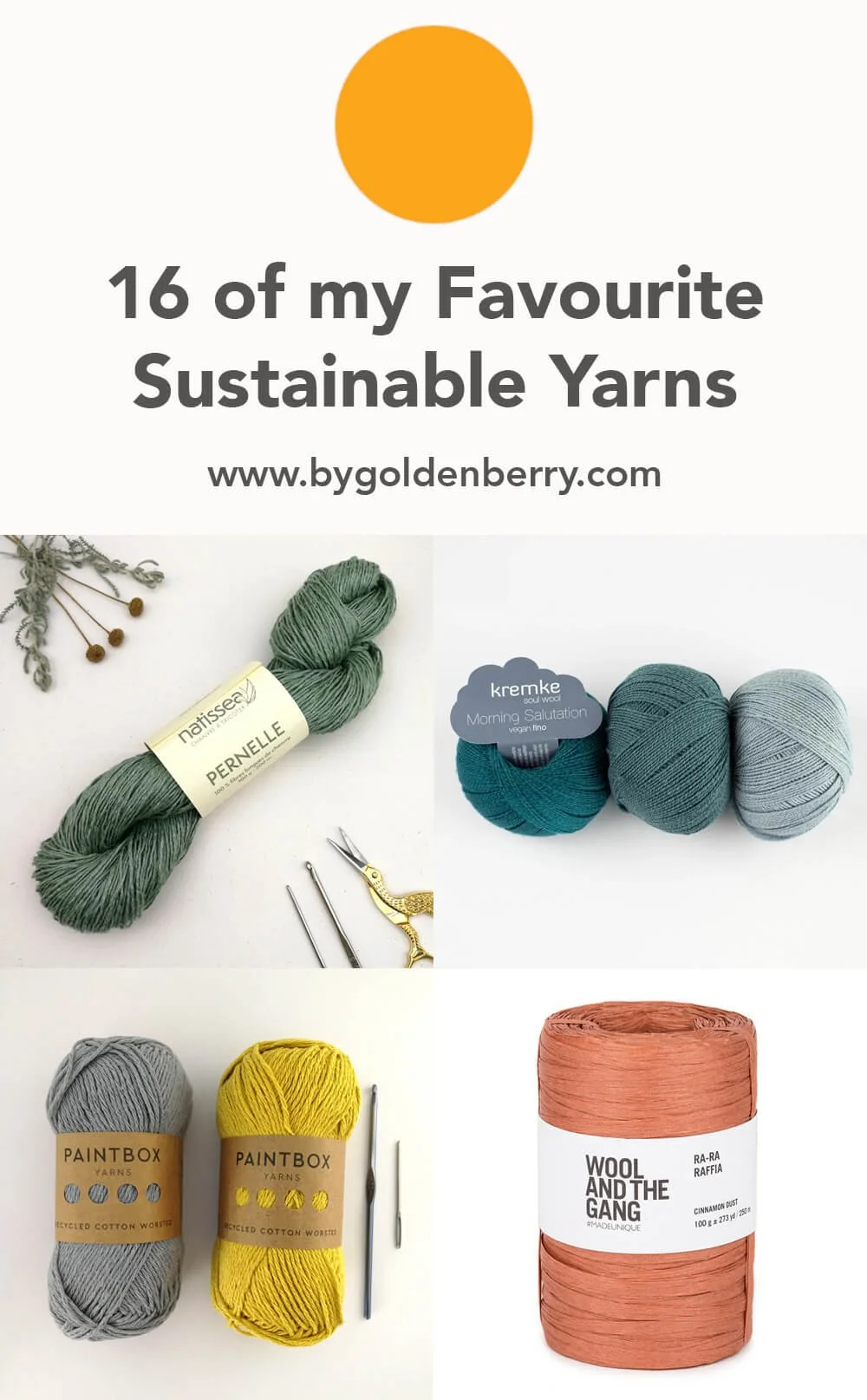
16 Sustainable Yarns That are My Go-tos
Here is a list of 16 sustainable yarns that I love to use, which projects I use them for and where to buy them.
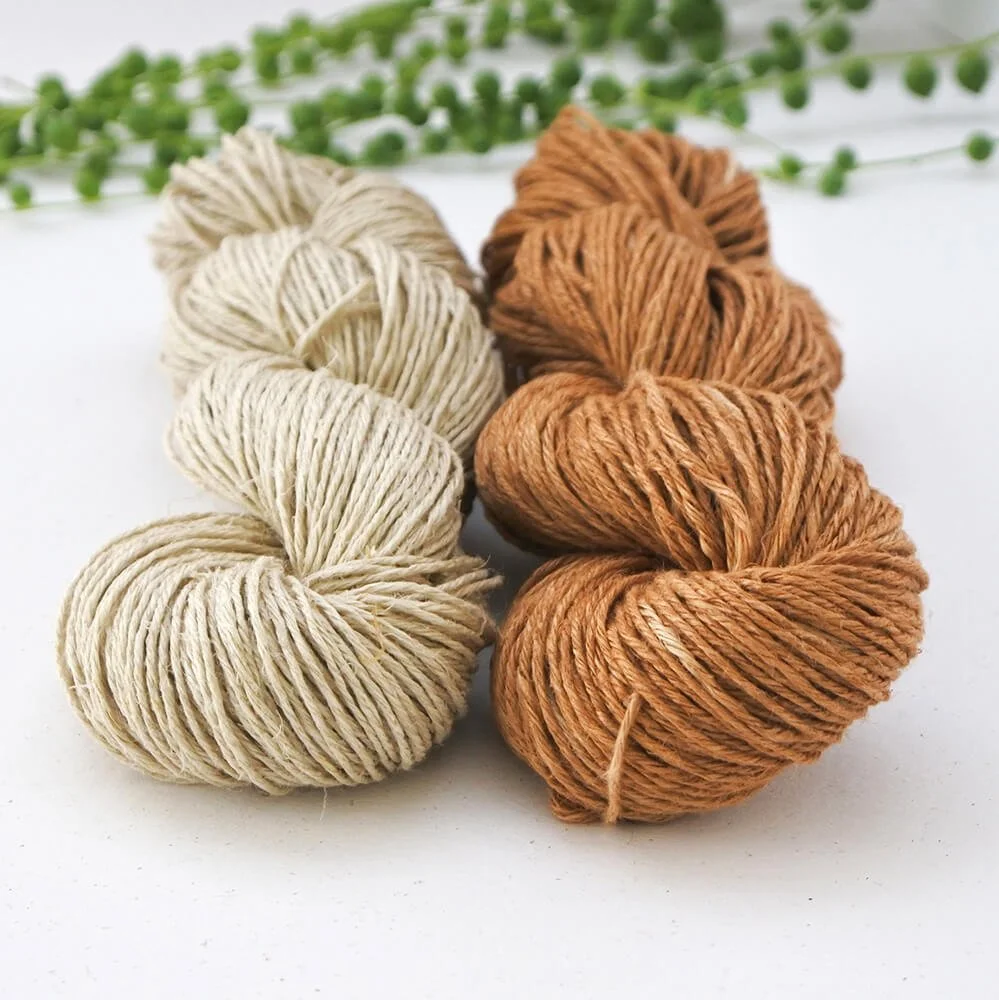
Hemp
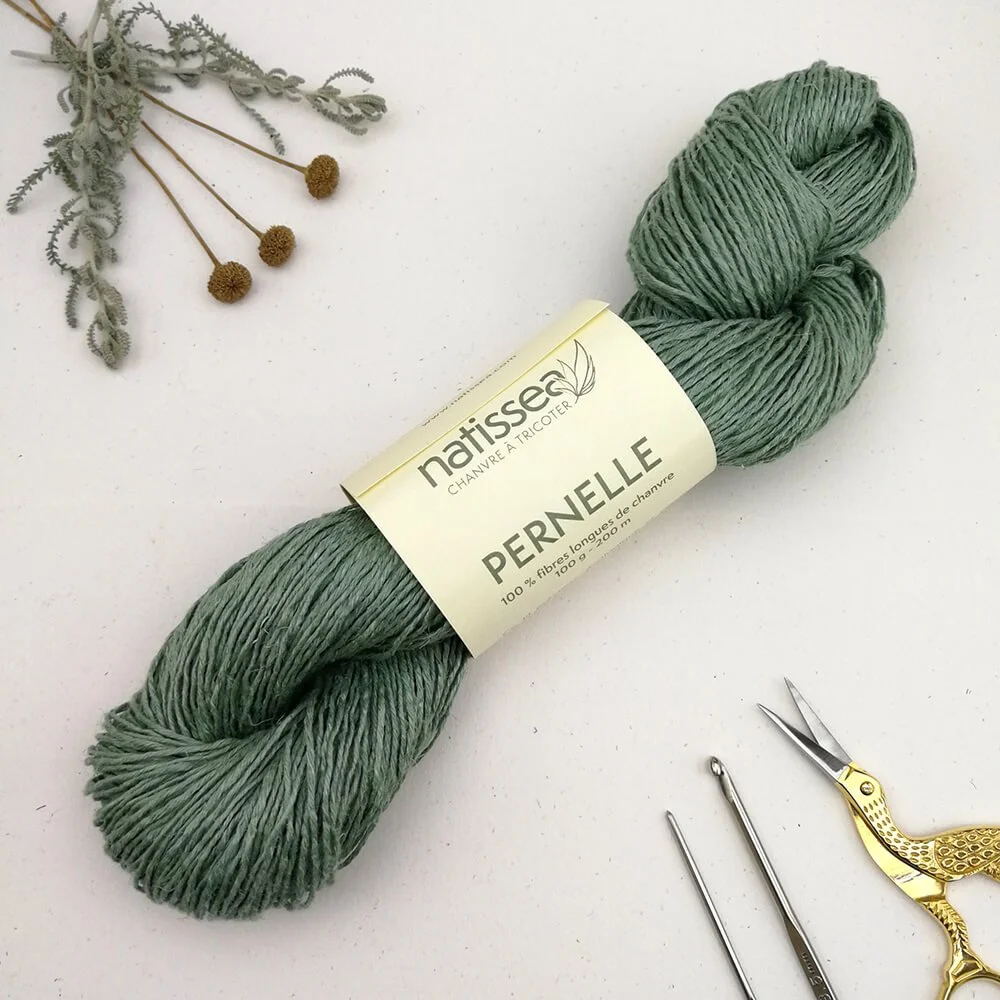
I love hemp yarn so much because it is the most sustainable option.
After many hours or research looking into sustainable options, I collated all my findings in an article where I compare hemp, linen and cotton.
Hemp is quite a versatile plant based fibre that can be used for so many things.
I use lace weight for clothing as it has lovely drape. Here’s an article on how I used lace weight hemp yarn to make my own beach dress.
Sport weight can be used for zero waste items like dish scrubbies and soap savers as it is gently exfoliating and can be home composted.
DK weight is great for making sturdier home decor items, bags, baskets etc.
Where to Buy Hemp Yarn
Natissea - Pernelle, Damya, Merlin
A small business based in France that make gorgeously dyed hemp yarn, hemp and linen mix and hemp and organic cotton mix. They use French linen, Romanian hemp and Turkish organic cotton. They are lovely to work with, they have GOTS and Oeko-Tex® certificates and their dyes are also vegan.
Lana Knits - All Hemp
Lana Knits is a small business based in Canada that have 3 different weights of All Hemp yarn in a wide range of colours to choose from.
Linen

Linen is hemps sister. Linen is made from the flax plant and it has so many similarities with hemp that make them good for similar projects (check the similarities here).
However linen can be softer, has better stitch definition and can create a more uniformed look in your final project.
Linen is great for accessories (here’s my bracelet crochet pattern that I made with linen yarn), summer clothing and home decor.
Where to Buy Linen Yarn
Natissea - Linea
This small business also sells a gorgeous linen and organic cotton mix. 95% French linen and 5% Turkish cotton. Certified by GOTS and Oeko-Tex®.
Lion Brand - Linen Cone
100% linen yarn in superfine weight in a range of colours. Great for summer garments or accessories.
Recycled Cotton

Recycled cotton is the most sustainable option of cotton fibre around.
It saves cotton waste from ending up in landfills and it can potentially help to reduce energy and water usage.
Where to buy Recycled Cotton Yarn
LoveCrafts - PaintBox Recycled Cotton
A worsted weight yarn made in Turkey and certified by OEKO-TEX Standard 100. Great for home decor, blankets and accessories. Here is my Lemona Tote Bag pattern that I designed with this yarn.
GANXXET - Zero Waste Cotton
GANXXET have a wide range of 100% recycled cotton yarns and cords in all sorts of colours and weights suitable for various projects. They are not dyed but retain their original colours and are certified by The Global Recycled Standard, OEKO-TEX Standard 100 and REACH.
Hoooked - Spesso Chunky Cotton
Spesso chunky cotton is another macrame cord made from undyed 100% recycled cotton fibres without the use of water. It can also be used for large knitting/crochet projects or weaving. Available in 22 different colours. Certified by OEKO-TEX Standard 100.
Organic Cotton
Organic cotton yarn is the more sustainable version of regular cotton but not as sustainable as hemp, linen or recycled cotton.
As you know regular cotton uses large amounts of water and pesticides to be produced. Organic cotton uses about 90% less water, doesn’t need any pesticides and is GMO free.
Where to buy Organic Cotton Yarn
LoveCrafts - Debbie Bliss Eco Baby
This is my go to yarn for face scrubbies. A super soft 100% organic cotton yarn certified by OEKO-TEX Standard 100 and GOTS. Available in a range of gorgeous colours.
A gorgeously soft organic cotton yarn that I love to use to make small accessories like coin purses and headphone covers.
Knitpicks - Simply Cotton Organic
100% organic cotton, undyed and unbleached available in fingering, sport. and worsted weights. Certified by GOTS.
Natissea - Malva
Malva is Natisseas 100% organic cotton available in 5 different vegan colours.
Here are some cotton yarn crochet patterns for inspiration.
Raffia
Raffia yarn is made from palm tree leaves. It is a renewable plant based resource that creates a versatile, pliable, strong fibre that is perfect for making summer accessories like bags, home decor and it’s my favourite for summer hats. Here is a list of crochet patterns for raffia yarn for more ideas.
For the yarn to be sustainable the leaves need to be harvested correctly, at the correct time of year and without damaging the rest of the tree so that it can continue to grow.
Where to Buy Raffia Yarn
LoveCrafts - Wool and the Gang Ra-Ra Raffia
Wool and the Gangs Ra-Ra Raffia is certified by REACH and FSC. It is made from wood pulp sourced from Vancouver, Canada and dyed in Taiwan. Available in a wide range of colours.
Bamboo
Is bamboo a sustainable fibre? There is a big debate about whether bamboo yarn is actually sustainable or not.
In short, a lot of bamboo yarn isn’t eco friendly but there are a few out that are. Read more about it in my other blog post Is Bamboo Yarn Eco Friendly?
Where to Buy Bamboo Yarn
Ganxxet Bamboo Deluxe Yarn - (GOTS Viscose Yarn)
A sport weight bamboo yarn, certified by GOTS and Detox to Zero by Oeko-tex. It is available in a wide range of colours to suit any summer garments.
Tencel
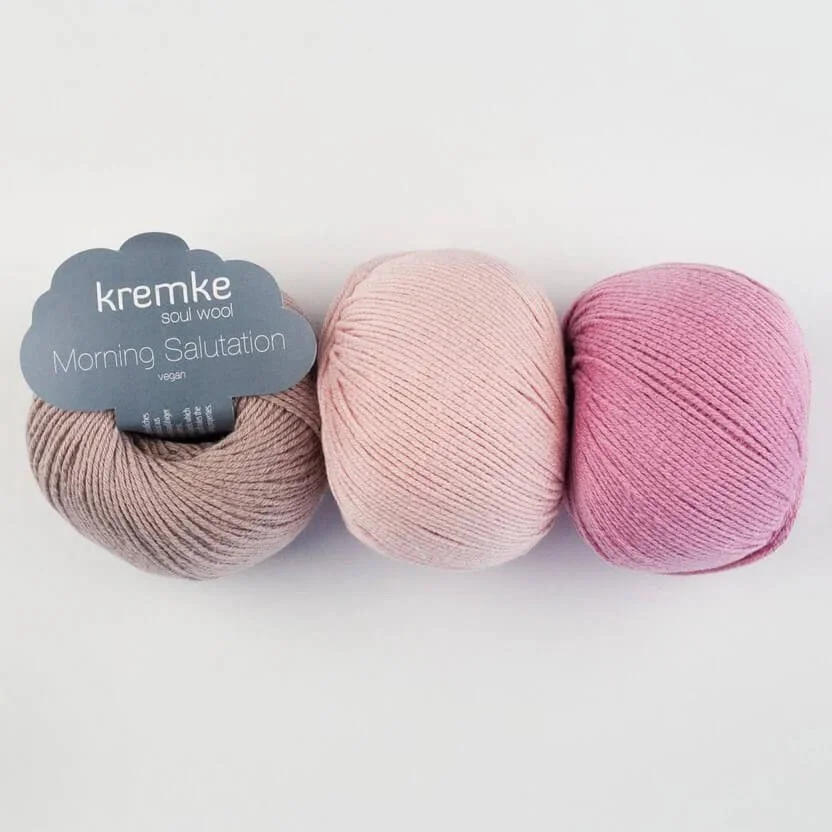
What is Tencel? Tencel is made from recycled wood waste or pulp which means it is fully biodegradable. It is naturally bright white which means it doesn’t need to be bleached to produce bright coloured yarns.
However, the pulp is first processed in a solvent and then it is often dyed with harmful dyes so it’s not as sustainable as hemp, linen or recycled cotton.
Where to Buy Tencel Yarn
Lion Brand Botanic Yarn - (Tencel Lyocell)
100% Tencel lyocell yarn made without the use of toxic chemicals and available in a range of colours. It is soft, strong and breathable, perfect for and ideal for summer garments.
Kremke - Morning Salutation Vegan Fino
My favourite yarn for making spring pullovers, or lacy tops. This sport weight yarn is spun in Bulgaria, this yarn is made from 51% TENCEL™ and 49% Greek cotton and dyed vegan dyes. It has also been certified to STANDARD 100 by OEKO-TEX®.
Kremke - Morning Salutation Vegan DK
The same as the yarn above but the DK version. They both come in a beautiful range of colours to choose from.
If you’ve tried any of the yarns mentioned above, please let me and others know what you think of them in the comments.