Hemp Yarn - Which Projects to Use it For
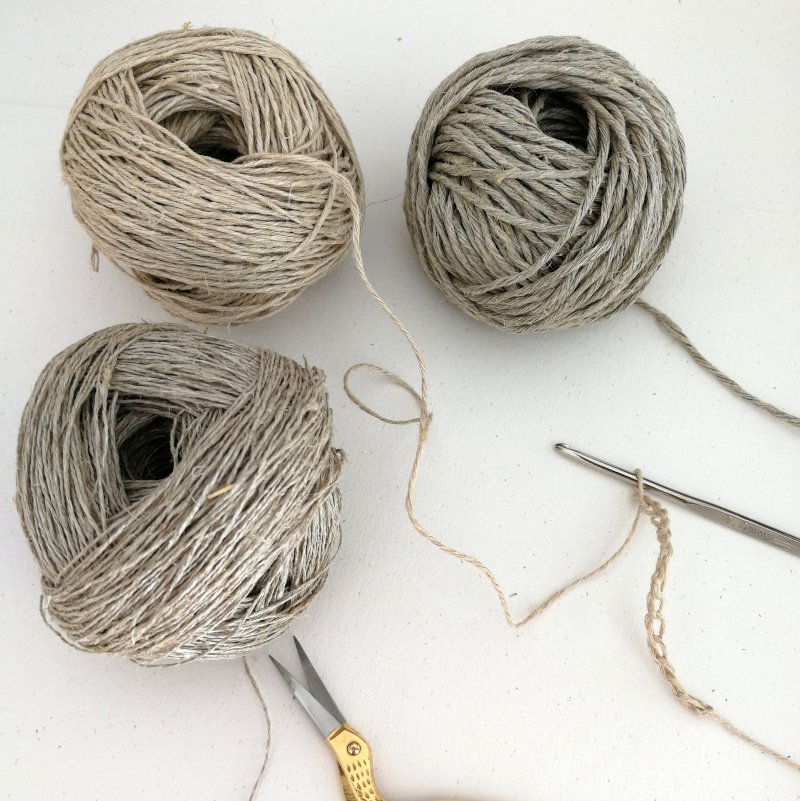
Hemp yarn is my number one favourite yarn. It is one of the most versatile and sustainable yarns that exists. It also has the best eco friendly credentials compared to any other yarn.
Read my article about how the differences between hemp, cotton and linen.
Let’s go through where it comes from, which crochet/knitting projects to use it for good for and all of its environmental benefits.
Where Does Hemp Fibre Come From?
Which Plant Does it Come From?
Hemp comes from the plant Cannabis sativa. Is it the same as cannabis? No. Cannabis and hemp are two different varieties of the Cannabis sativa plant.
Hemp has less than 0.3% of THC (tetrahydrocannabinol) than cannabis, which makes all the difference. This is what causes the high in cannabis.
Where Does it Grow?
Hemp can be grown in various places around the world because of its tolerance to different types of weather and soil but mostly it is grown in Eastern Europe and China.
How is it Made?
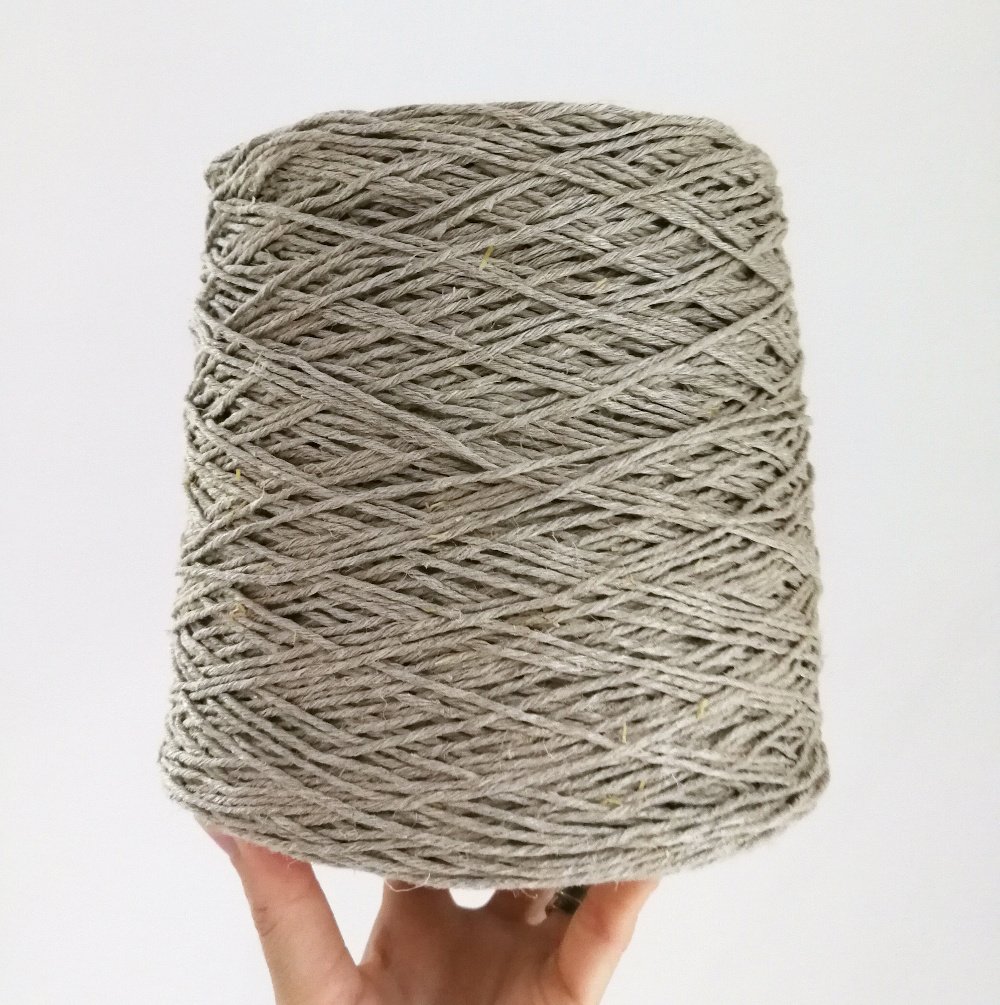
The yarn is made from the inner fibres of the stalks of the Cannabis sativa plant. The whole plant is usually mechanically harvested, washed in water and left out in the open to dry or ret as it’s called.
The inner fibres are then separated from the stalks and, with the use of water, spun into beautiful yarns in different weights.
Some companies use detergents and harmful substances in their production processes so just be sure to check with your supplier how their yarn is processed.
Which Projects is Hemp Yarn Good For?
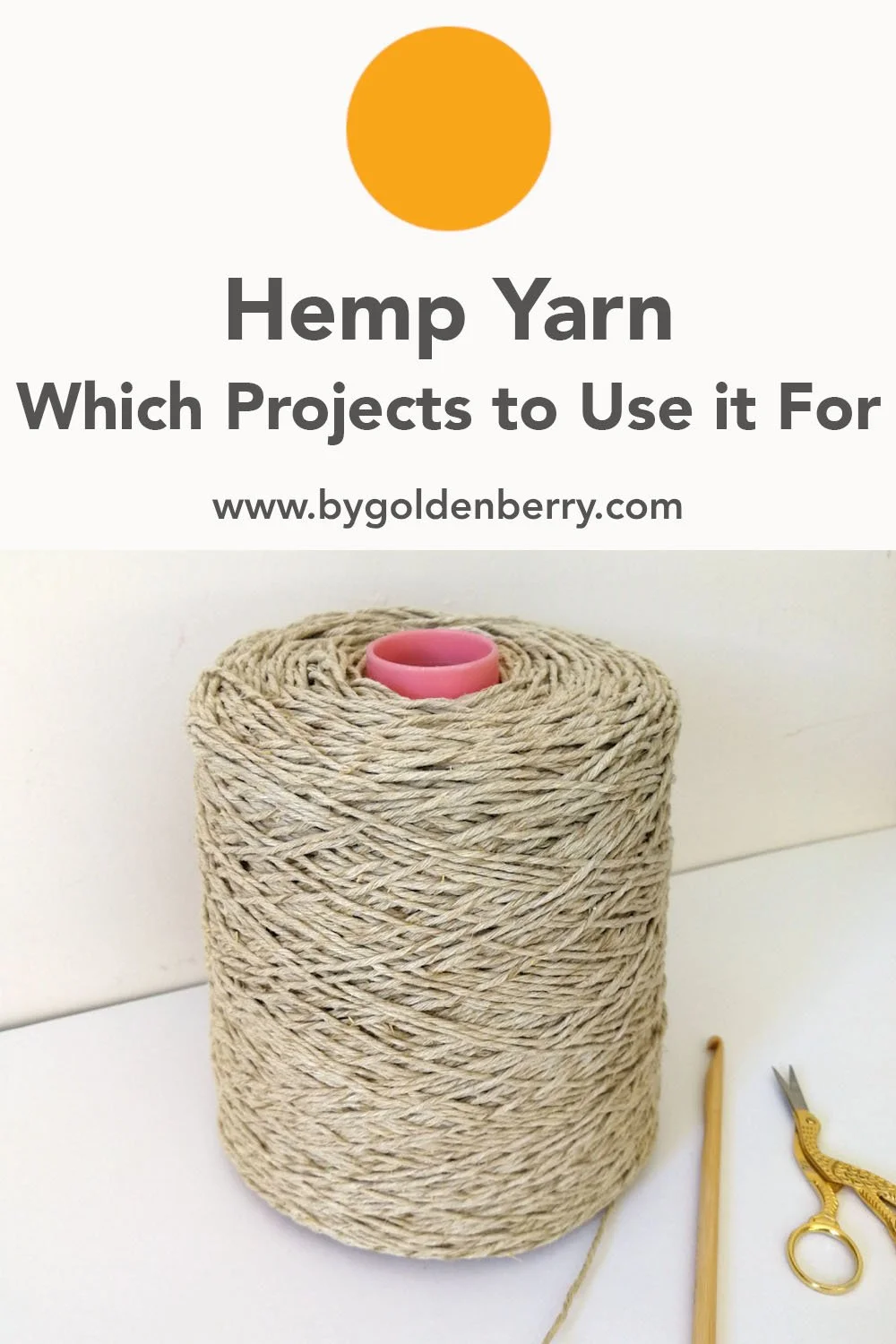
Hemp is so versatile, it can be used for so many crochet and knitting projects. It is both strong and sturdy which is great for making things like bags, purses, bowls and baskets.
It can also be soft with wonderful drape for making dresses, tops, wraps, any type of clothing. You can read more about how I used lace weight hemp to make my own beach dress. I absolutely love wearing it!
The fact that it is the best fibre for the environment and the most sustainable means it is perfect for making zero waste items like dish scrubbies, soap savers, dishcloths etc.
The Benefits
So why is hemp so good and what benefits does it have towards the environment?
It’s 100% natural
Hemp is a plant and yarn is produced from the stalks of the plant so there is literally nothing else in it but hemp.
So by using hemp, there is no worry about micro plastics running down the drain and getting into the water system or getting into the air we breathe from our clothing.
It’s naturally organic
There are no insects that want to set up home on hemp plants and so there’s no need to spray it with pesticides for it to keep growing healthily.
It is less water intensive
Hemp doesn’t need as much water to grow as other plants like cotton. It can grow in a range of environments and temperatures so we don’t need as much water to keep it happy.
It gives back to the environment
Not only does hemp not encourage any damage to the environment but it also helps to protect it. Whilst it grows, it absorbs 4 x more carbon dioxide than trees during its 12-14 week lifecycle. Plus its cultivation regenerates the soil by putting nutrients back in.
Hemp is naturally antibacterial
That’s why it is so great for making dishcloths and scrubbies. It is naturally antibacterial so the sponges don’t end up smelly or mouldy even without intermittently washing them.
Washable
It can go into your washing machine to give your items a refresh. I suggest max 30.
It may shrink ever so slightly, as it is completely natural, so just be aware of that. When making clothing, just be sure to block your item after you’ve finished making it.
Home compostable
Finally, it is fully home compostable. So when you have used your washing up sponge, or whatever else you have made with it, to its last breath, you can simply cut them up and put them into your home compost.
This makes me so happy, that there is no waste afterwards and it goes back into the soil.
Where to Buy Sustainable Yarns
If you’re thinking of buying hemp for your next project then head over to my post about sustainable yarns and where to buy them.
All my personal recommendations are there for the best places to buy hemp and other eco friendly yarns, along with other information about how to know if they are sustainable or not.


A list of 16 of my favourite sustainable yarns, which projects I use them for and where you can buy them from.